
The House on 9th Line

The House
on 9th Line

The House
on 9th Line

The House
on 9th Line

The House
on 9th Line

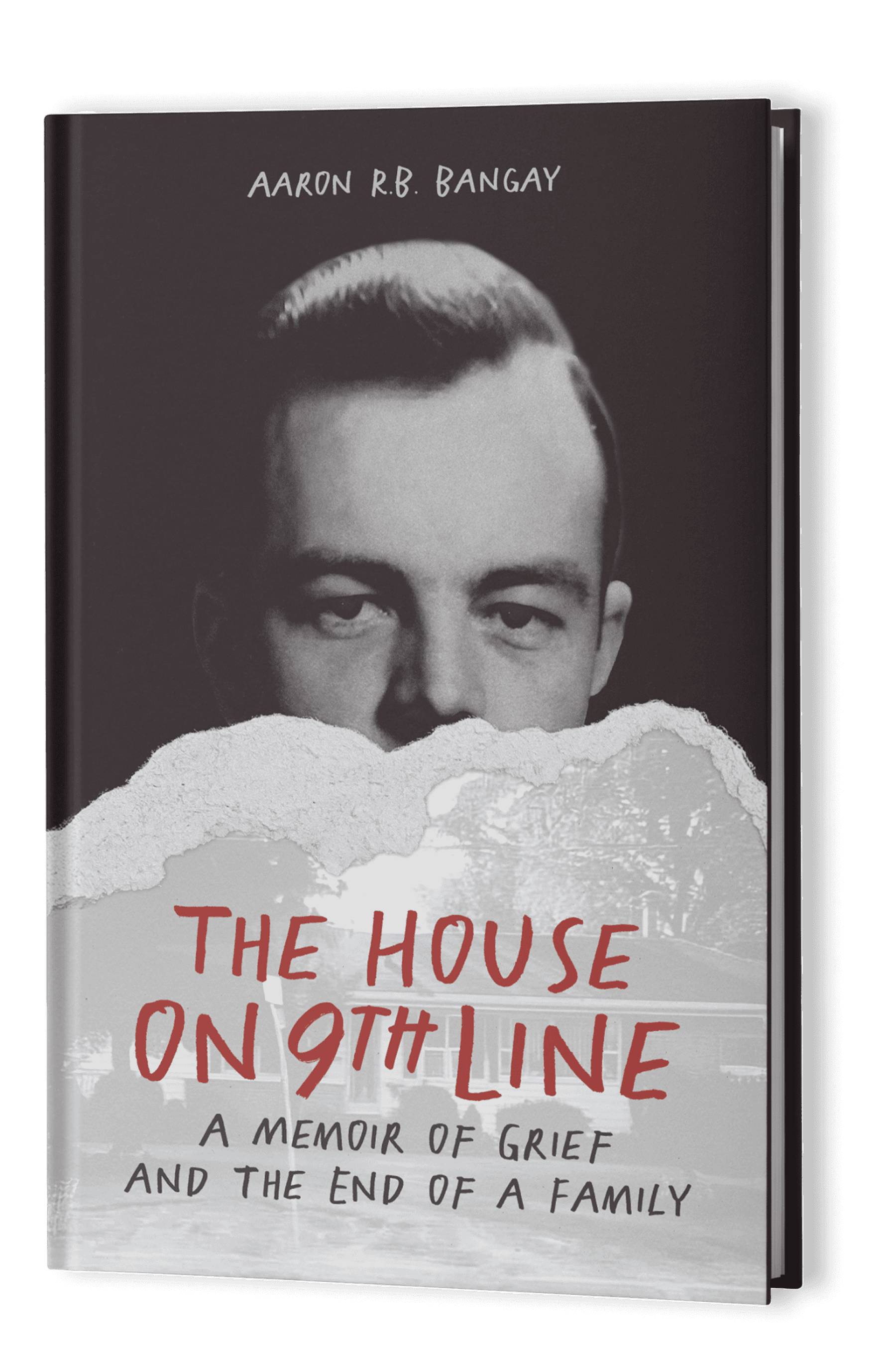
A Memoir of Grief and the End of a Family

A Memoir of Grief and the End of a Family

A Memoir of Grief and the End of a Family

Grief, like memory, does not obey the rules of time. It arrives when it wants to, stays longer than we ask it to, and reshapes itself in the background of our lives.

Grief, like memory, does not obey the rules of time. It arrives when it wants to, stays longer than we ask it to, and reshapes itself in the background of our lives.

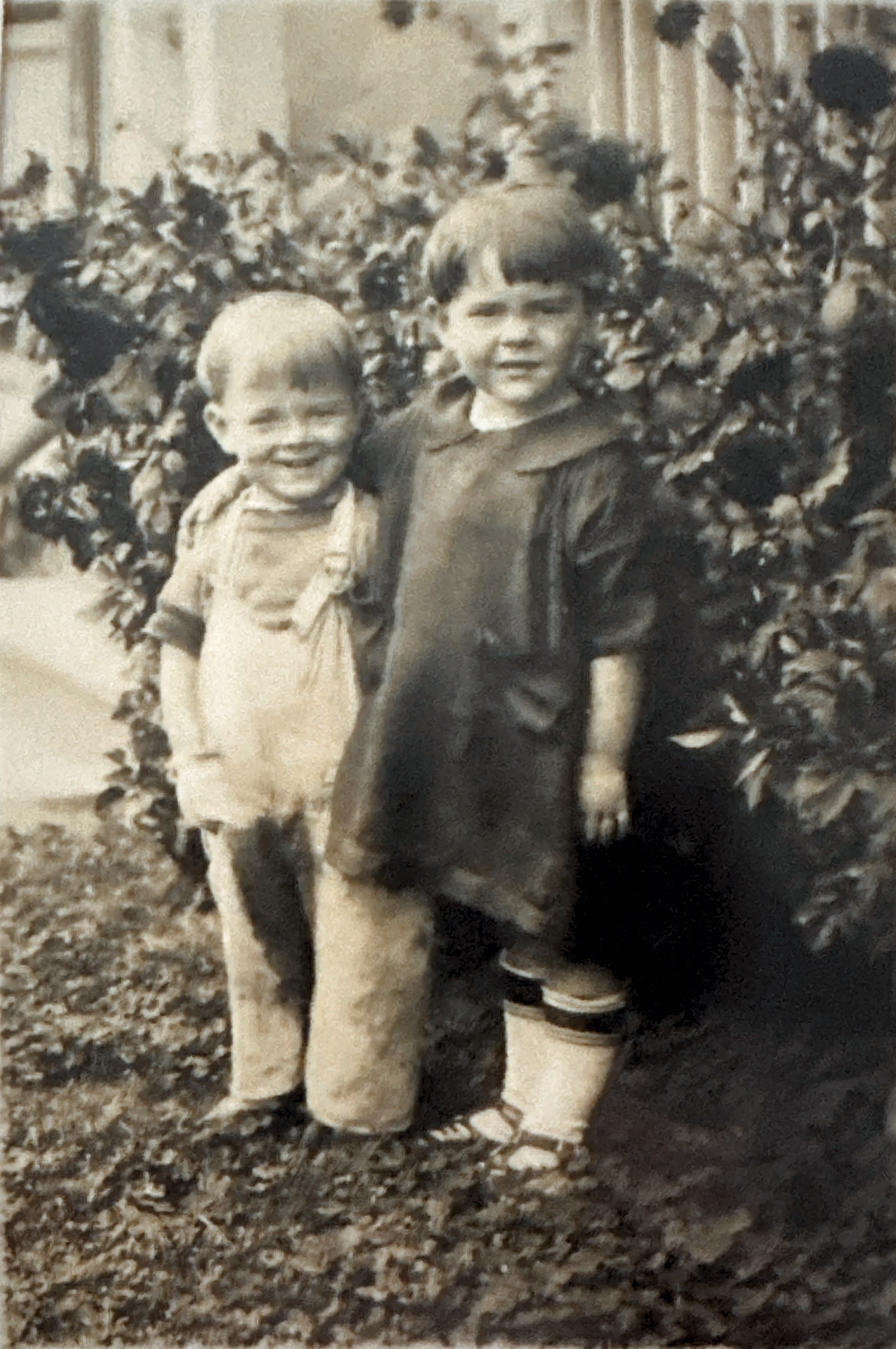
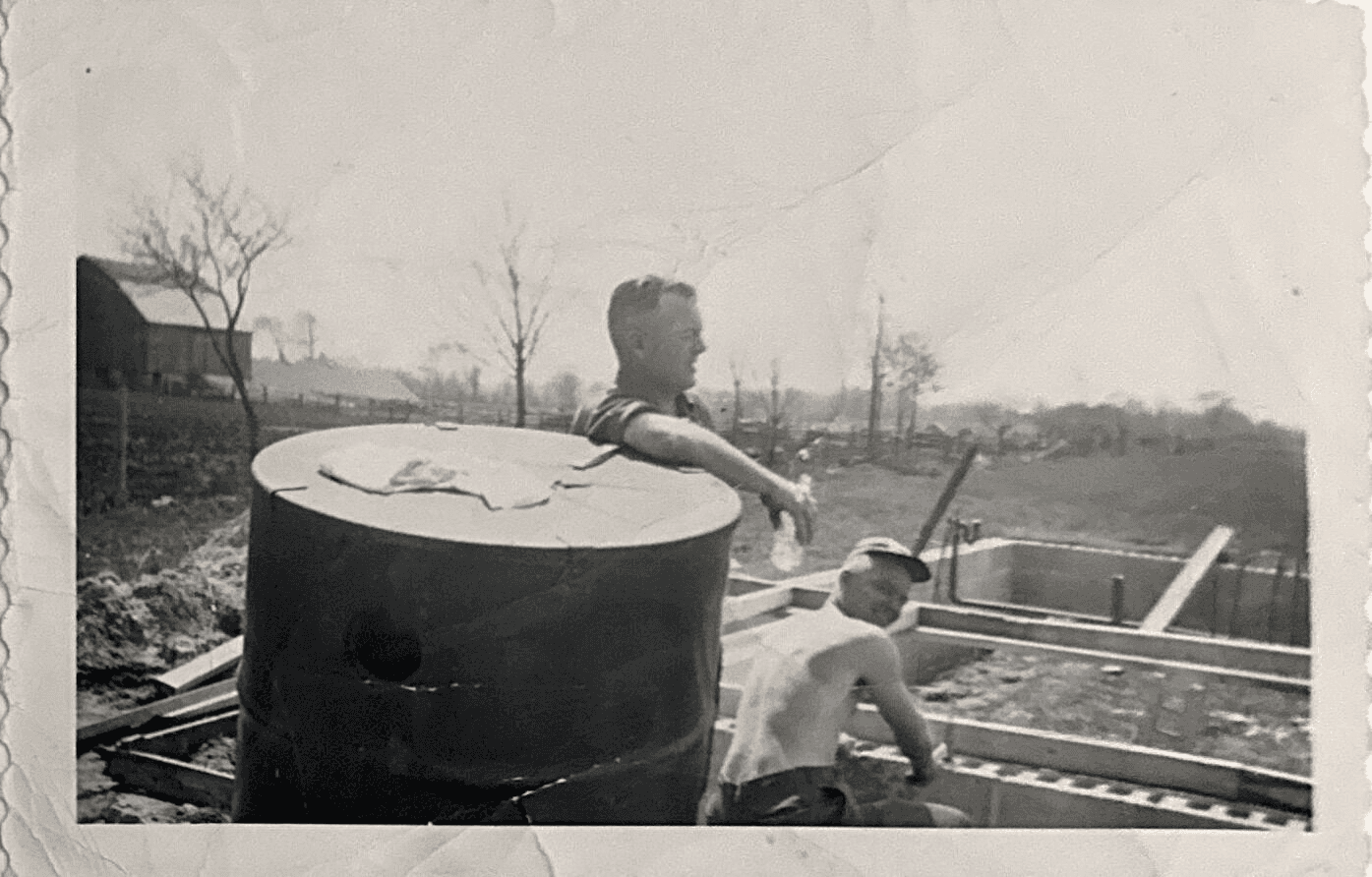
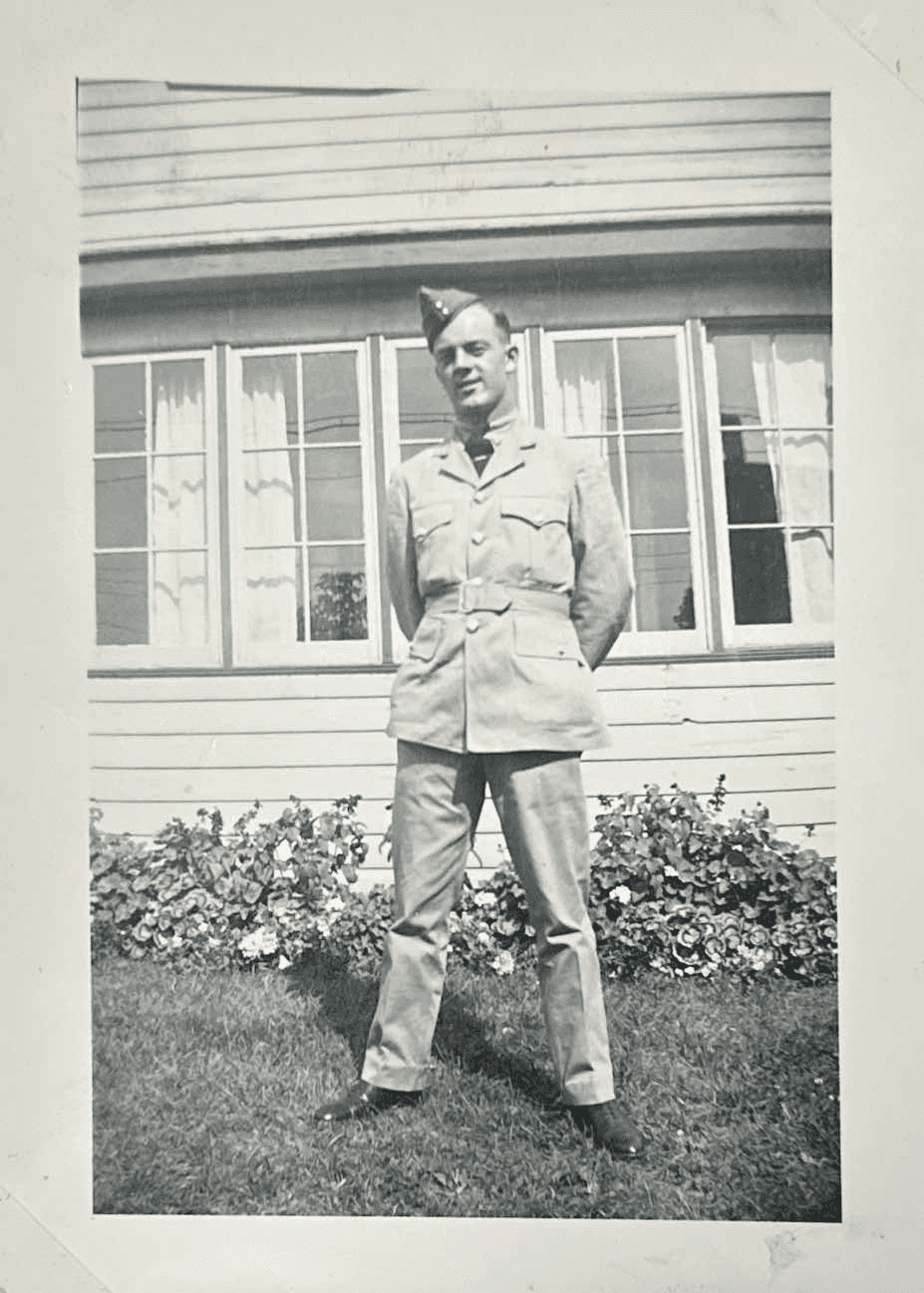
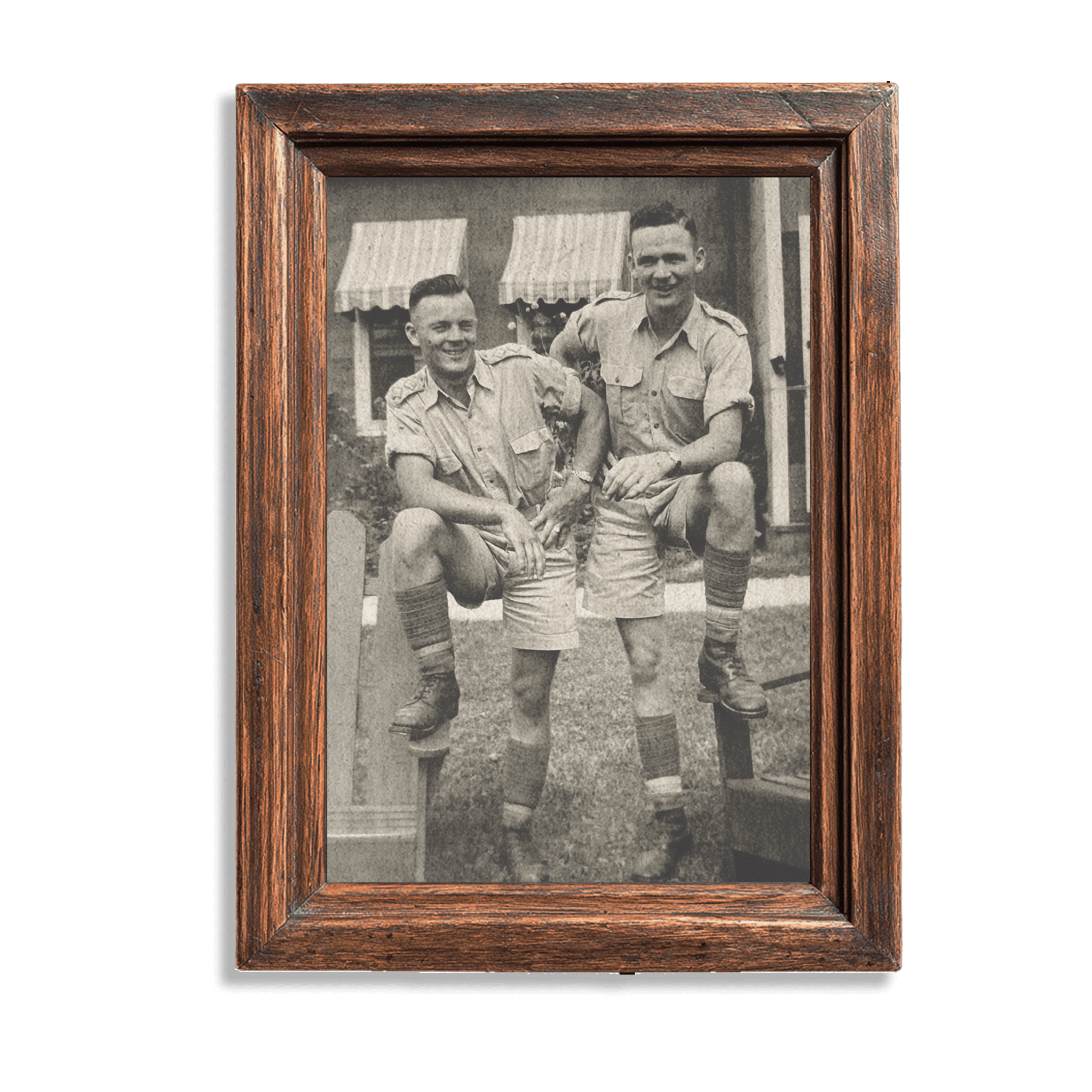
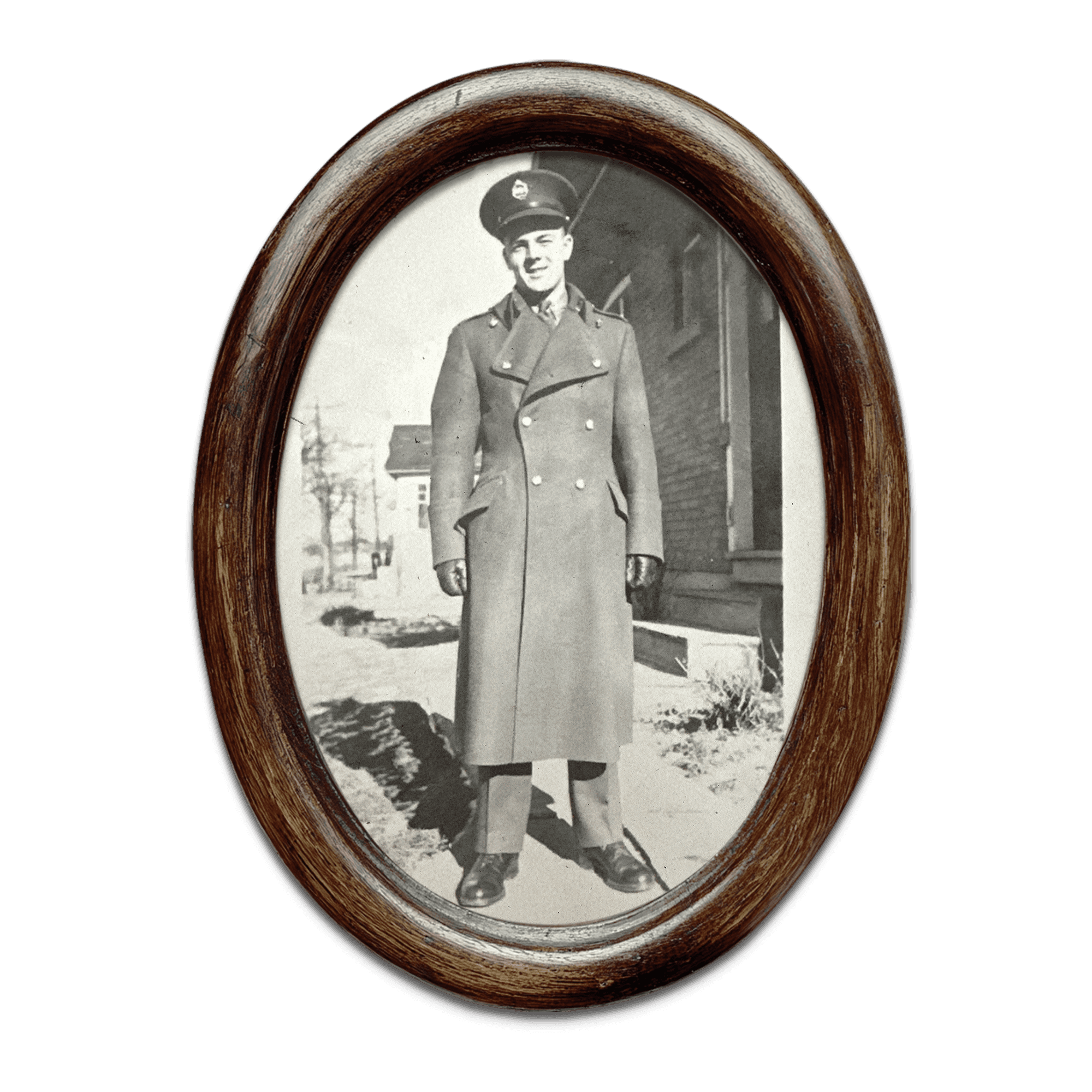
Roland, c. 1943
Roland, c. 1943


These stories are not just about grief. They are about inheritance, not of money or property, but of lessons, both bitter and beautiful.


Even though we lost the house, the heirlooms, and the Sunday dinners, we still carry the love he gave us. The real inheritance. The one that can’t be rewritten.


These stories are not just about grief. They are about inheritance, not of money or property, but of lessons, both bitter and beautiful.


Even though we lost the house, the heirlooms, and the Sunday dinners, we still carry the love he gave us. The real inheritance. The one that can’t be rewritten.


These stories are not just about grief. They are about inheritance, not of money or property, but of lessons, both bitter and beautiful.

Even though we lost the house, the heirlooms, and the Sunday dinners, we still carry the love he gave us. The real inheritance. The one that can’t be rewritten.

What do we inherit from our families?
Their love, their wounds, or both?

What do we inherit from our families? Their love, their wounds, or both?

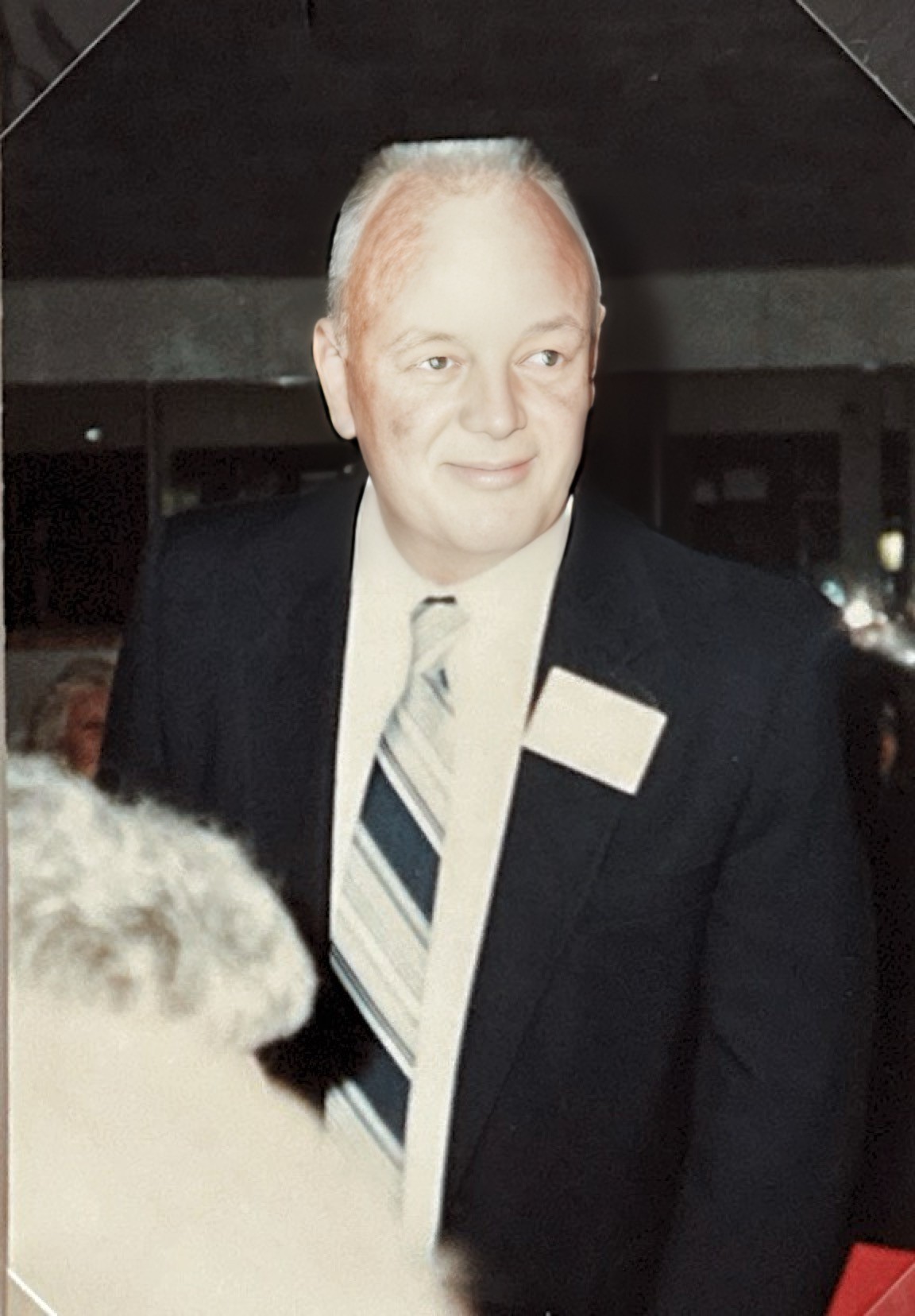
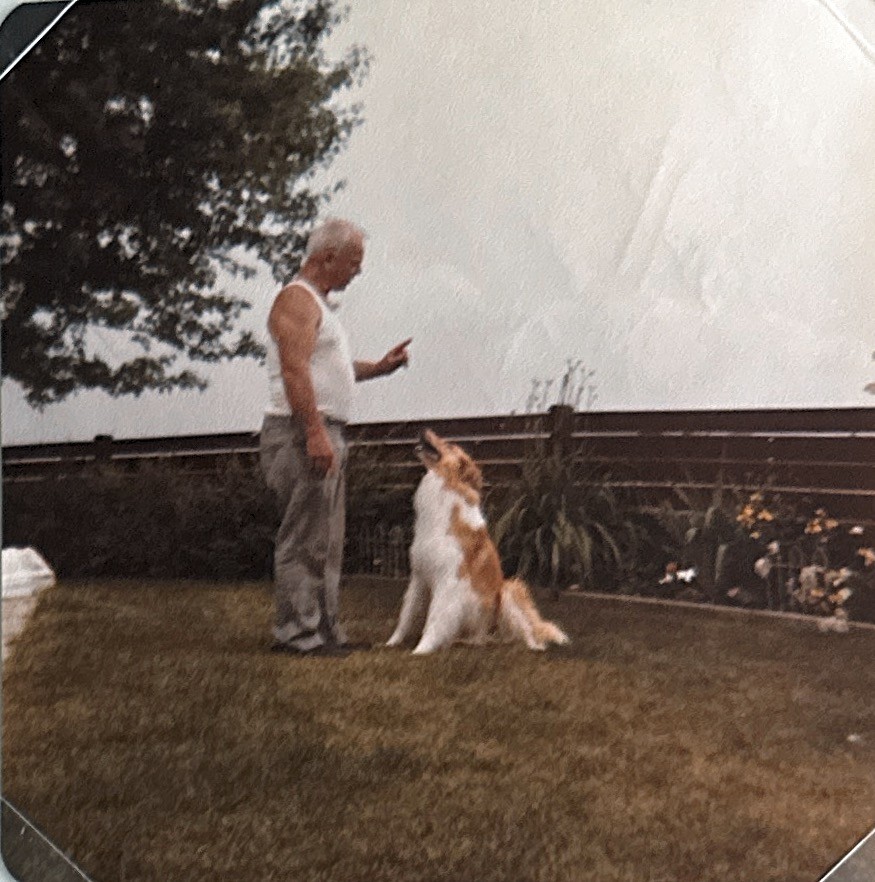
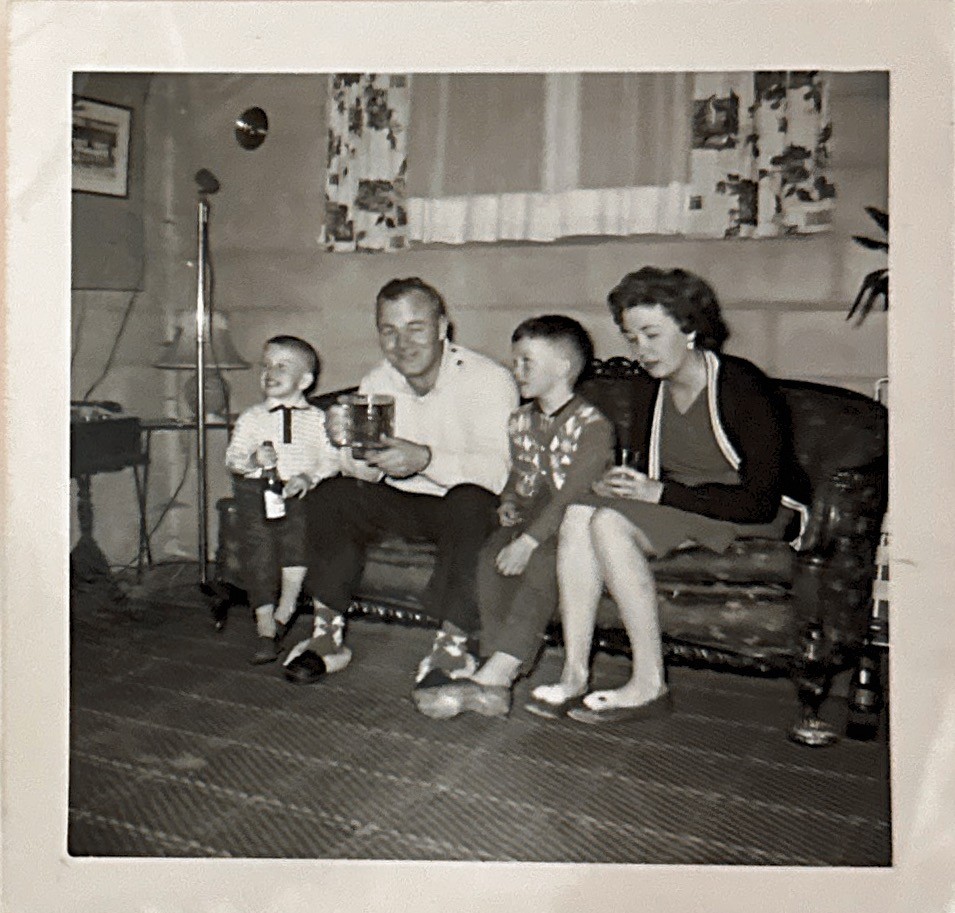
My grandfather Roland was the kindest man I ever knew. His unconditional love held our family together for generations. When he died, everything fell apart.

The House on 9th Line is a raw and deeply personal memoir about love, loss, and the unravelling of a family broken by silence, favouritism, and emotional wounds left unhealed.

Set against the backdrop of a modest yet symbolic family home in a small town north of Toronto, I take readers on a reflective journey through generations shaped by war, trauma, addiction, and misplaced loyalty.

Through vivid storytelling and unflinching honesty, I explore the manipulations of an emotionally immature grandmother, the deep scars of parental favouritism, and the lasting impact of addiction and financial betrayal. As the bonds of kinship frayed, rivalries intensified, and communication collapsed, leaving behind emotional wreckage and estranged relationships.

Despite the heartbreak, The House on 9th Line is also a story of healing, remembrance, and the reclamation of truth.
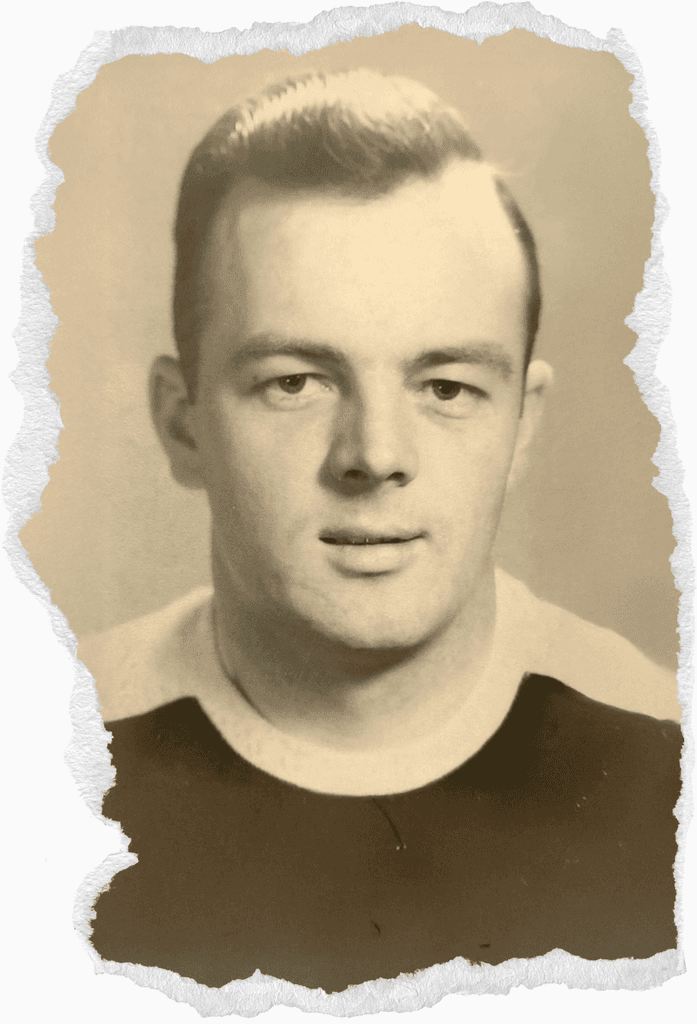
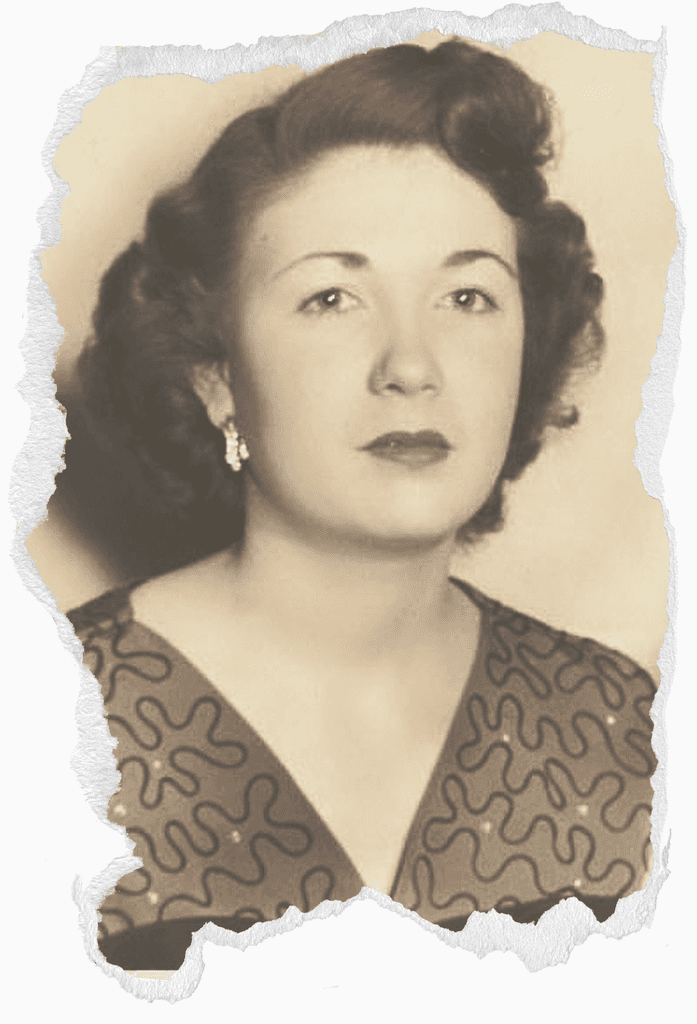
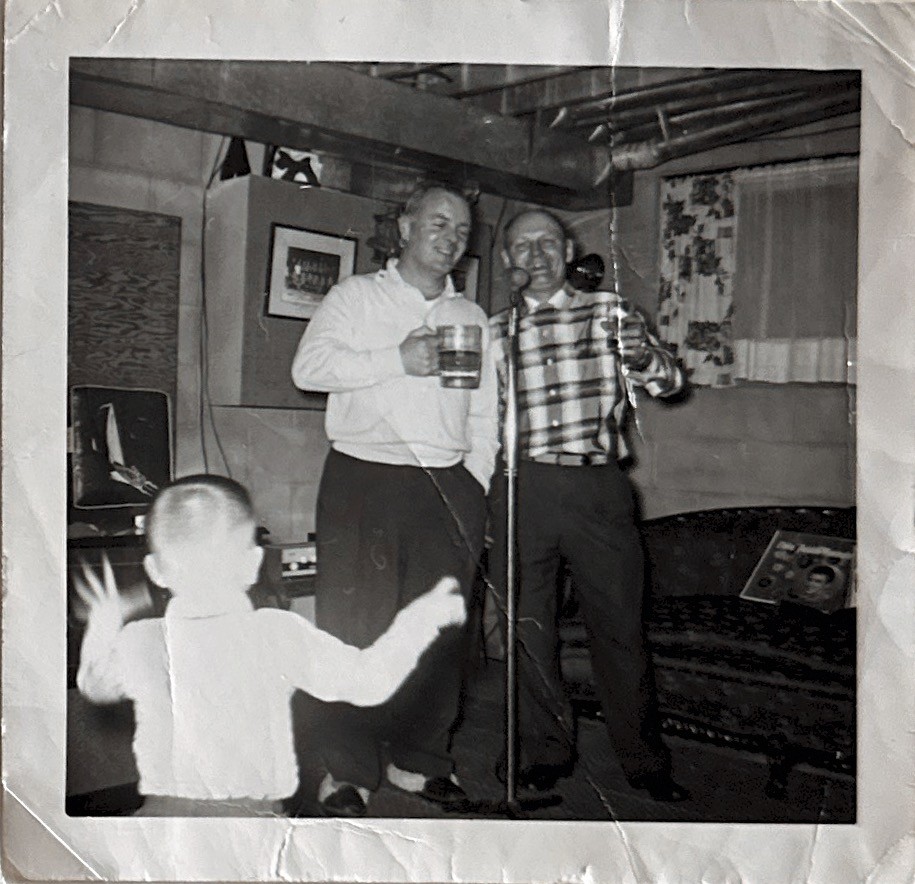
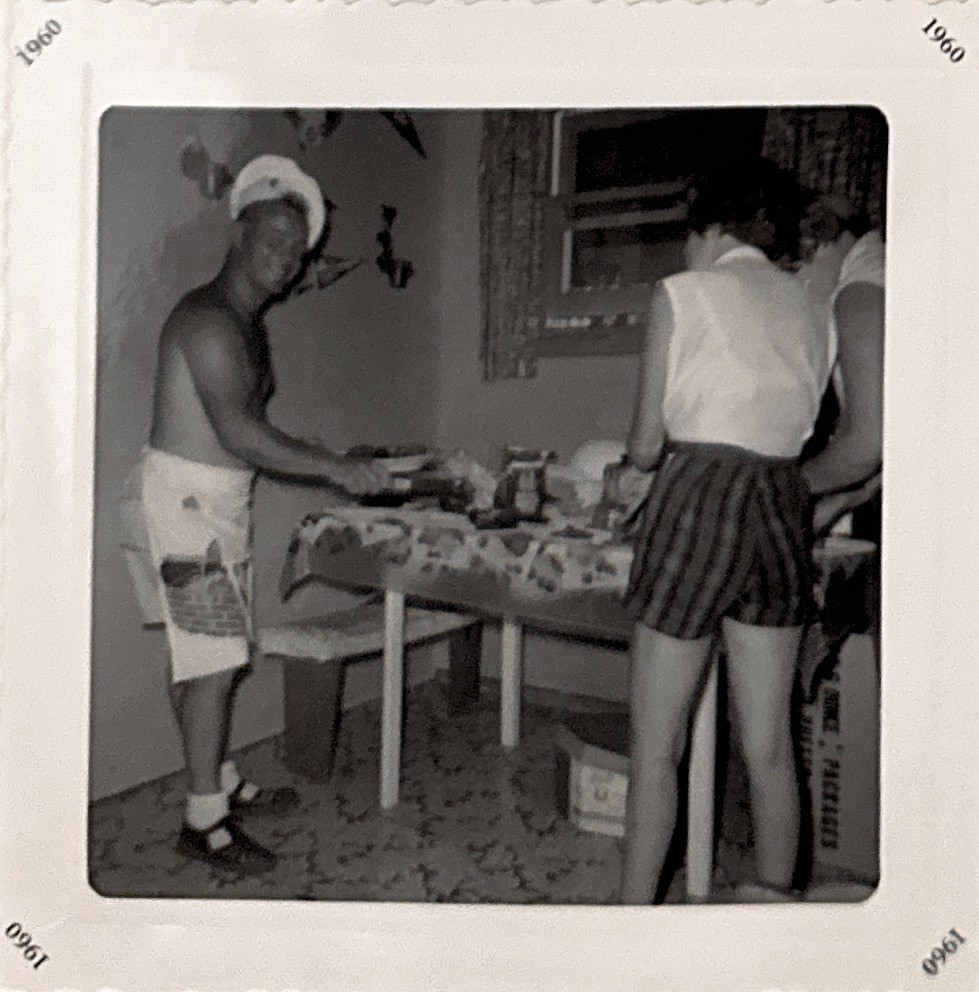
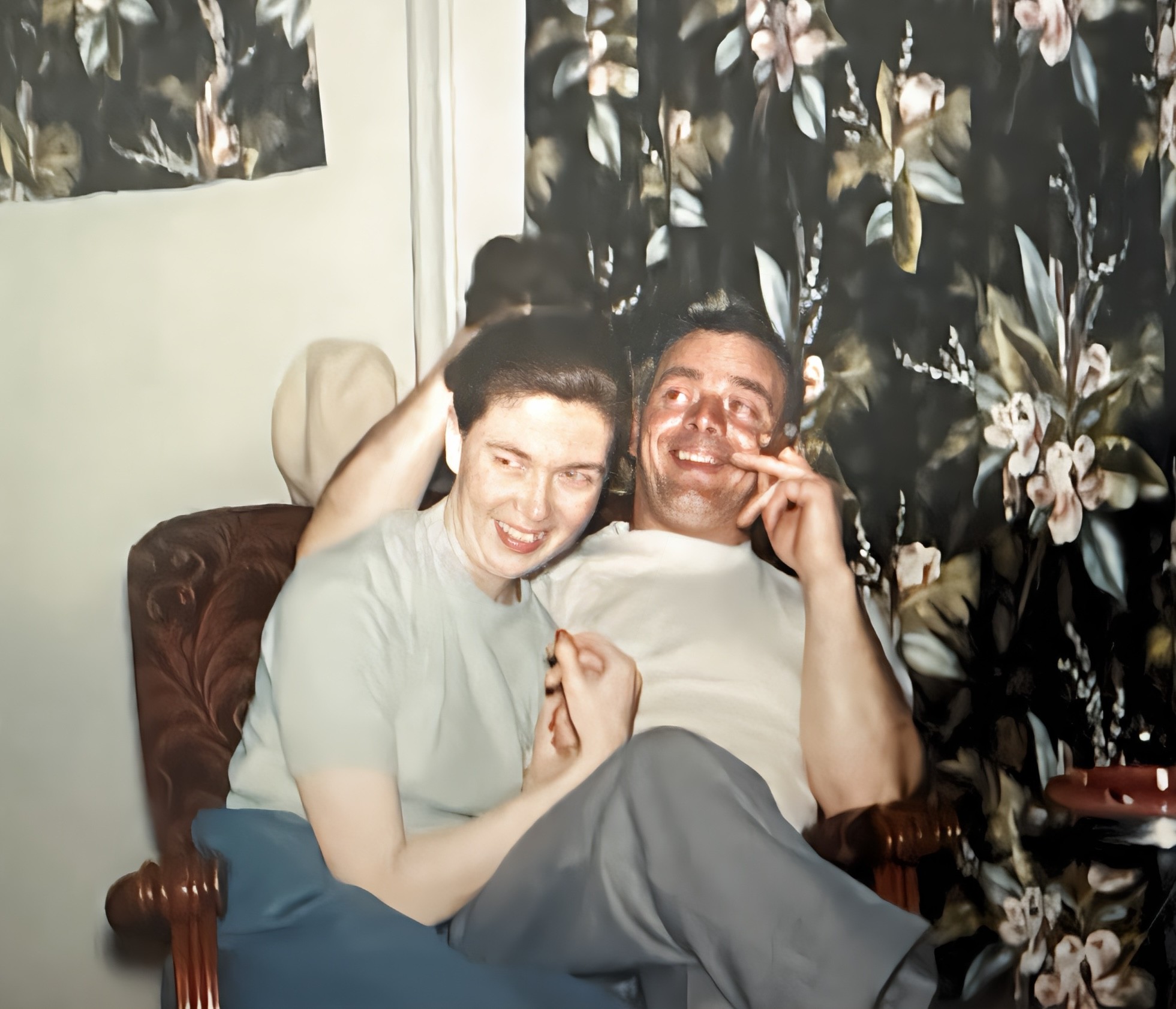
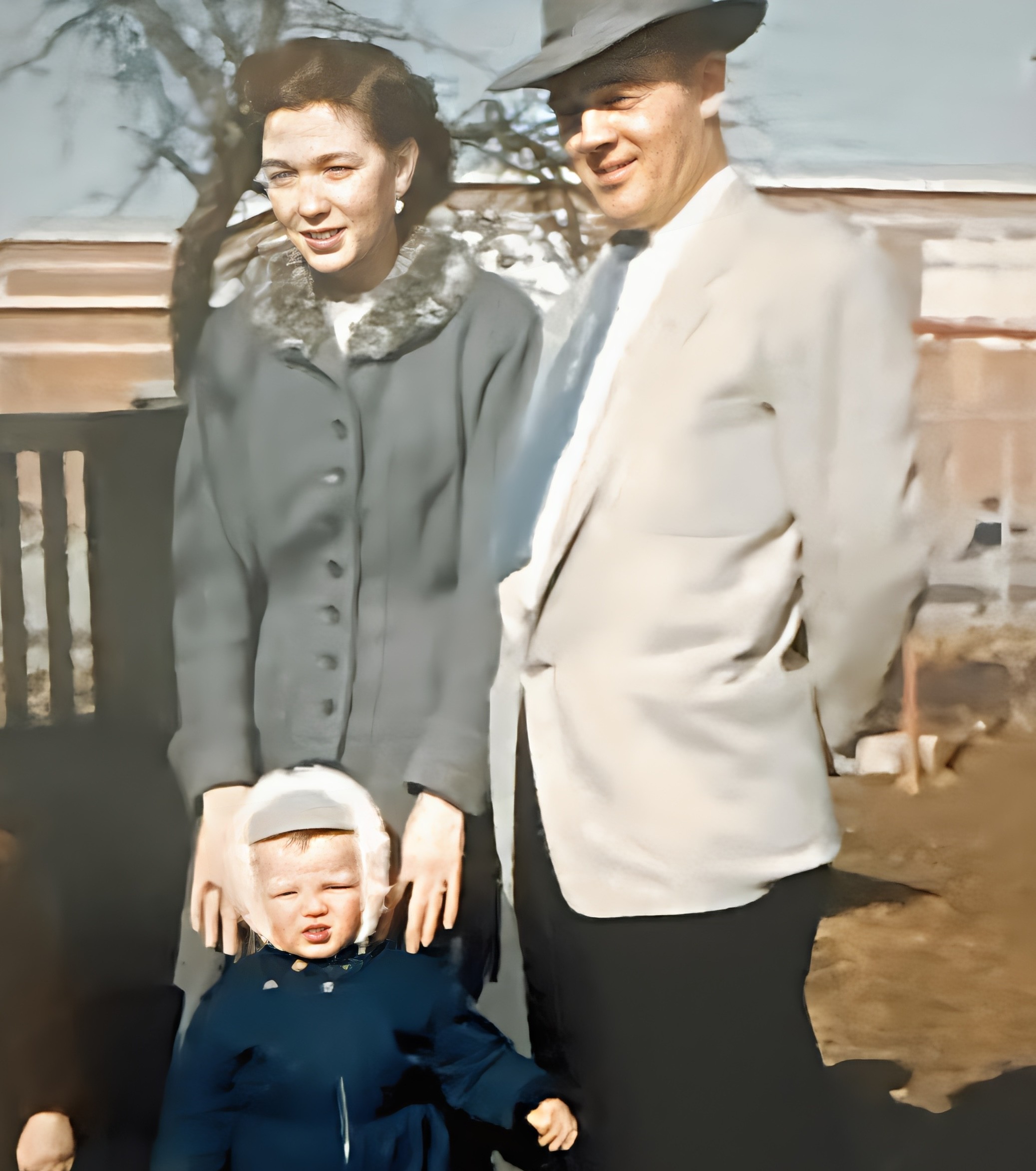
Actual photos of Roland and Daisy, enhanced by AI.
To read this book, you must come to understand why we all loved and miss Papa so much: because he wasn’t just a nice man.
He was a good man.

To read this book, you must come to understand why we all loved and miss Papa so much: because he wasn’t just a nice man.
He was a good man.

Order the Book

Order the Book

The House on 9th Line is a haunting memoir of love, loss, and the quiet fractures that tear families apart.

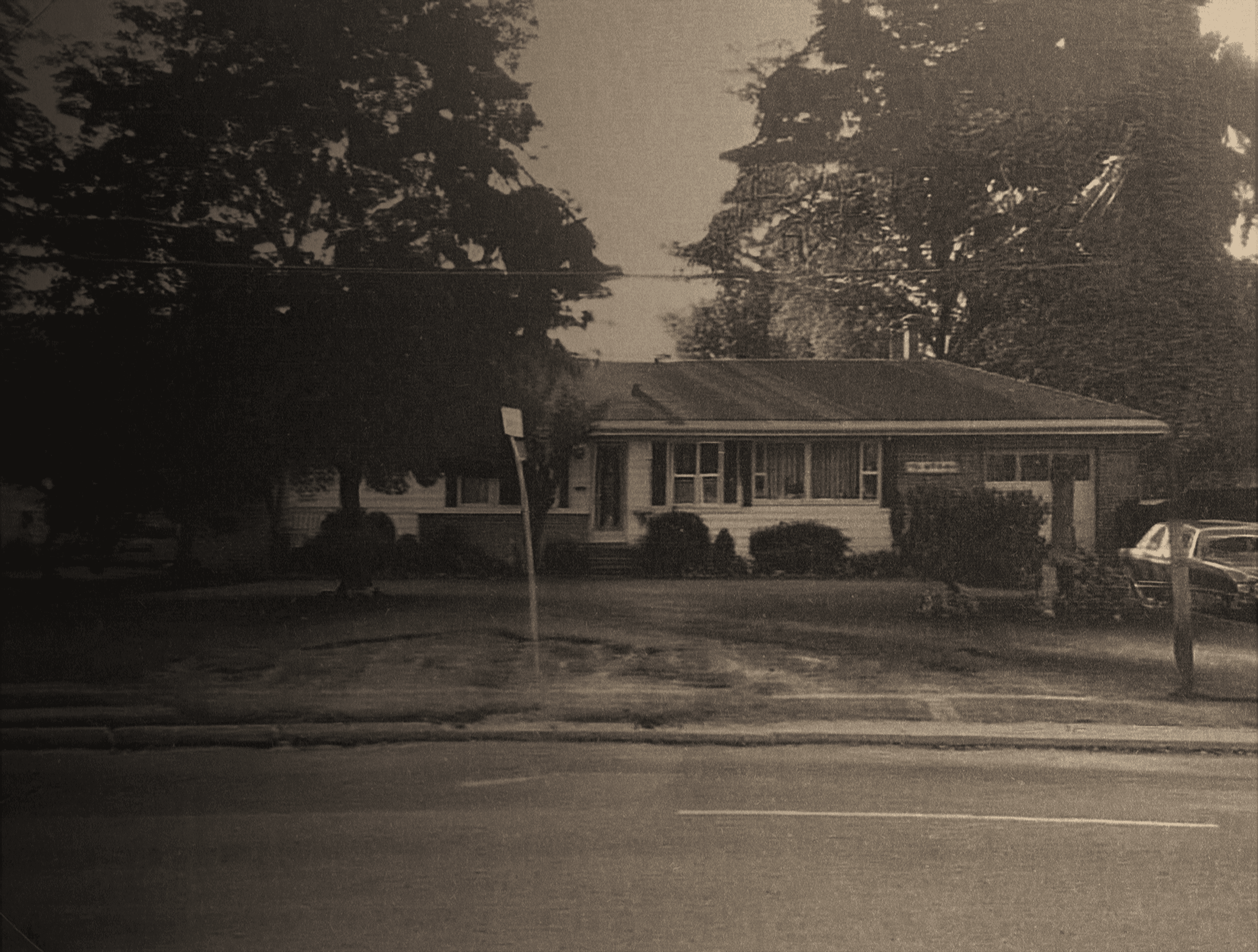
At its heart stands a modest home built by my grandfather, a man remembered for his goodness, generosity, and unwavering devotion to family. Within its walls were moments of joy, warmth, and connection, but also seeds of betrayal, addiction, and silence.

Through raw storytelling and historical context stretching back to the traumas of war and intergenerational addiction, I examine how grief reverberates across generations.

Both personal confession and social commentary, I ask readers to wrestle with the question: What do we inherit from our families: their love, their wounds, or both?

The House on 9th Line is a haunting memoir of love, loss, and the quiet fractures that tear families apart.

At its heart stands a modest home built by my grandfather, a man remembered for his goodness, generosity, and unwavering devotion to family. Within its walls were moments of joy, warmth, and connection, but also seeds of betrayal, addiction, and silence.

Through raw storytelling and historical context stretching back to the traumas of war and intergenerational addiction, I examine how grief reverberates across generations.

Both personal confession and social commentary, I ask readers to wrestle with the question: What do we inherit from our families: their love, their wounds, or both?

About the Author

About the Author

Aaron R.B. Bangay is a Canadian writer whose work explores memory, grief, and the complex bonds of family. Drawing from personal experience, he writes with honesty and vulnerability about loss, resilience, and the hidden dynamics that shape our closest relationships.

The House on 9th Line is his debut memoir, written as both a tribute to his grandfather’s quiet goodness and a testament to the lessons learned from love and betrayal. 

He currently lives in Ottawa, Ontario, Canada, with his husband, whom he credits for his unwavering support as a cornerstone in the therapeutic process of writing this book.

Aaron R.B. Bangay is a Canadian writer whose work explores memory, grief, and the complex bonds of family. Drawing from personal experience, he writes with honesty and vulnerability about loss, resilience, and the hidden dynamics that shape our closest relationships.

The House on 9th Line is his debut memoir, written as both a tribute to his grandfather’s quiet goodness and a testament to the lessons learned from love and betrayal. 

He currently lives in Ottawa, Ontario, Canada, with his husband, whom he credits for his unwavering support as a cornerstone in the therapeutic process of writing this book.

Play Sound

Contact the author

Contact the author

© Aaron R.B. Bangay All rights reserved.